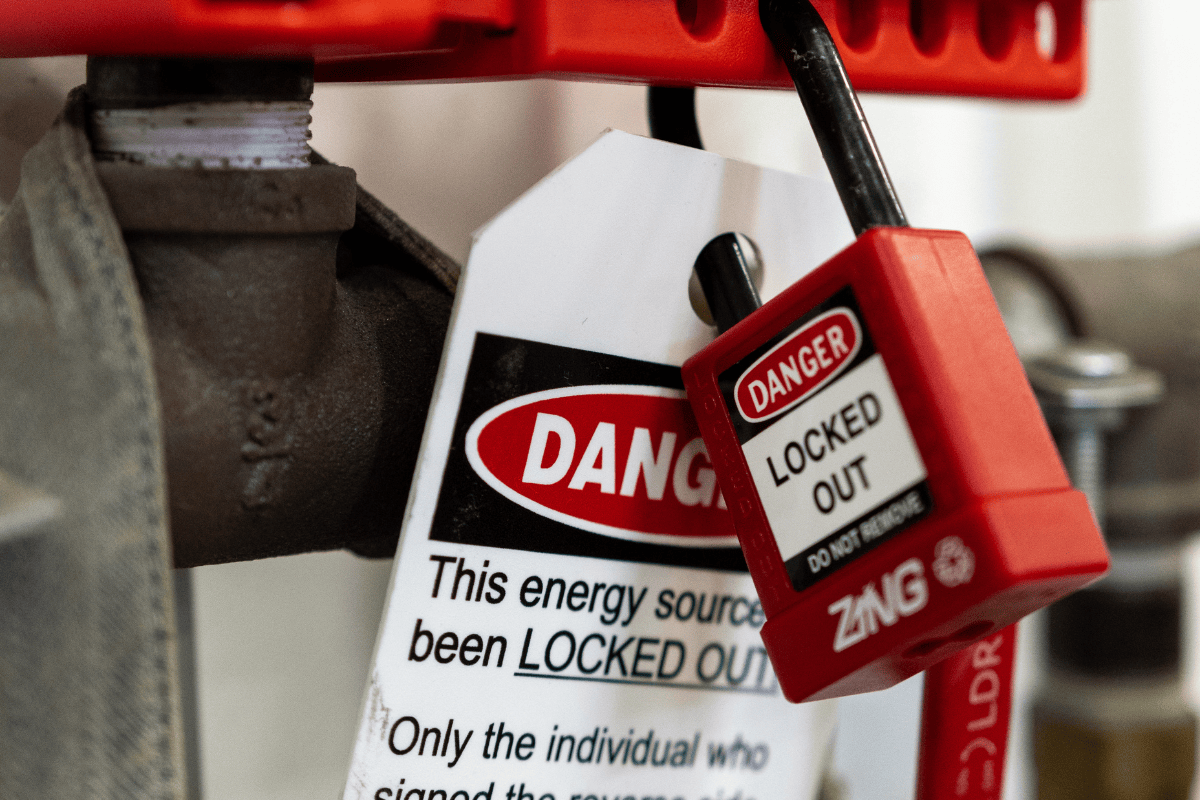
When a machine unexpectedly powers on during maintenance, the results can be catastrophic. Workers risk amputation, electrocution, or worse. The simple yet powerful solution? A lockout tagout (LOTO) procedure. It’s not just a safety protocol—it’s a lifeline designed to isolate hazardous energy and prevent preventable tragedies.
Despite being a widely established practice, misunderstandings persist about what lockout tagout truly is, how it’s implemented, and why it remains one of the most critical components of industrial safety. This article breaks down the fundamentals, real-world applications, and operational nuances of LOTO, equipping teams with the knowledge to execute it correctly.
The Core Definition of Lockout Tagout
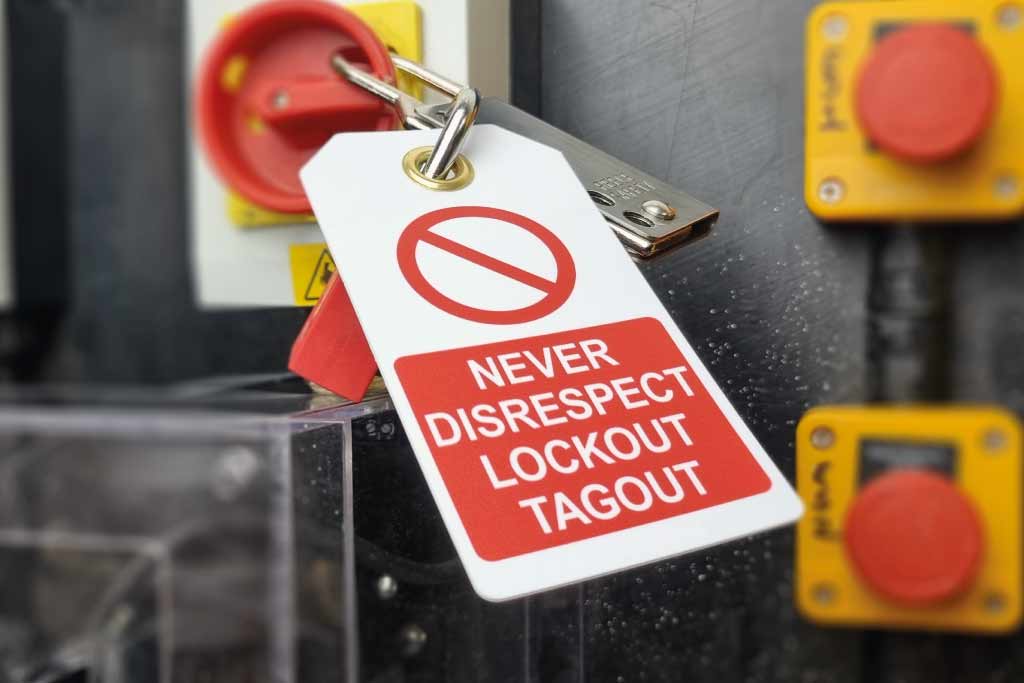
Lockout tagout (LOTO) refers to a standardized safety procedure used to ensure that dangerous machines and energy sources are properly shut off and cannot be restarted before maintenance or servicing is complete. The process involves two main components:
- Lockout: Physically securing an energy-isolating device with a lock to prevent equipment activation.
- Tagout: Attaching a warning tag to the lock that identifies the worker responsible, the reason for the lockout, and the date and time.
LOTO applies to all forms of hazardous energy—electrical, mechanical, hydraulic, pneumatic, chemical, and thermal. It’s not just for large industrial machinery; the same principles apply to conveyor systems, presses, boilers, and even office equipment undergoing repair.
For example, when a technician needs to clear a jammed conveyor belt, LOTO ensures the system can't be turned on remotely or by another worker unaware of the maintenance. Without it, the risk of crushing injuries is extremely high.
Why Lockout Tagout Is Non-Negotiable
The stakes of skipping LOTO are too high to ignore. According to OSHA, nearly 10% of serious accidents in manufacturing are linked to unexpected energization or startup of machinery. Each year, dozens of workers are injured or killed because energy sources weren’t properly isolated.
Beyond human cost, there are legal and financial consequences. OSHA’s 29 CFR 1910.147 standard mandates that all employers implement a formal LOTO program. Failure to comply can result in fines exceeding $15,000 per violation—with willful or repeated infractions carrying even heavier penalties.
More importantly, a proper LOTO program reinforces a culture of accountability. Every worker learns that safety isn’t optional—it’s embedded in routine. When a machine is locked out, everyone on the floor knows not to interfere, reducing confusion and increasing operational discipline.
How the Lockout Tagout Process Works
A successful LOTO isn’t just about slapping a lock on a switch. It follows a strict, seven-step sequence:

- Preparation: Identify all energy sources powering the equipment and the isolation points (e.g., circuit breakers, valve shutoffs).
- Notification: Inform all affected employees that maintenance is about to begin.
- Shutdown: Use normal stopping procedures to shut down the machine.
- Isolation: Physically disconnect or isolate every energy source using approved devices.
- Application of Locks/Tags: Each authorized worker applies their personal lock and tag to the isolation point.
- Release of Stored Energy: Bleed off or block residual energy (e.g., depressurize lines, drain capacitors, block moving parts).
- Verification: Attempt to restart the machine (using normal controls) to confirm it cannot start. Return to zero energy state.
Only after all these steps are complete should maintenance begin.
Real-World Example: In a food processing plant, a technician must replace a worn gear in a meat grinder. After powering down the machine, they lock out the electrical disconnect, close and lock the hydraulic valve, and attach their personal lock and tag. They then release pressure from the system and test the start button to confirm it’s inactive. Only then do they open the housing to begin repairs.
Common Mistakes That Undermine LOTO Safety
Even organizations with LOTO policies in place often fall into dangerous traps:
- Using group locks without individual accountability: One master lock doesn’t protect every worker. Each technician must use their own lock.
- Ignoring stored energy: Failing to drain pressurized systems or release tension in springs can lead to explosions or sudden movement.
- Tag-only systems on non-isolating devices: Tags alone aren’t sufficient unless a physical lock prevents operation.
- Poor training: Workers who don’t understand energy sources or isolation points may skip critical steps.
- Rushing the verification step: Skipping the “zero energy” check is one of the most frequent—and dangerous—errors.
One study found that over 60% of LOTO failures stemmed from inadequate training or procedural shortcuts. The result? Preventable incidents that could have been avoided with stricter adherence.
Who Is Responsible for Lockout Tagout?
LOTO isn’t a one-person job. It involves two distinct roles:
- Authorized Employees: Workers trained to implement LOTO procedures on specific machines. They apply locks, verify isolation, and perform servicing.
- Affected Employees: Those who operate or use the equipment but don’t perform maintenance. They must understand when LOTO is in place and never attempt to remove locks or bypass safety systems.
Management also plays a critical role. Supervisors must: - Ensure all authorized employees are properly trained. - Conduct annual LOTO audits. - Maintain up-to-date energy control procedures for each machine. - Provide proper lockout devices (locks, hasps, tags, valve covers).
Without clear roles and accountability, even the best LOTO plan can fail.
Equipment and Devices Used in LOTO Programs
Effective lockout requires the right tools. These aren’t just padlocks—they’re precision safety devices designed for high-risk environments.
| Device Type | Purpose | Example Use Case |
|---|---|---|
| Lockout Hasps | Allow multiple workers to apply individual locks to a single isolation point | Electrical disconnect panel during multi-technician repair |
| Valve Lockouts | Prevent accidental opening of gas, steam, or fluid lines | Locking a hydraulic shutoff during pump maintenance |
| Circuit Breaker Locks | Secure breakers in the OFF position | Industrial oven undergoing electrical inspection |
| Plug Lockouts | Prevent reinsertion of power cords | Portable drill press being serviced |
| Group Lockout Stations | Centralized boards for storing locks, tags, and logs | Maintenance locker in manufacturing facility |
Each device must be durable, standardized (e.g., bright red locks with employee names), and resistant to environmental hazards like moisture or extreme temperatures.
Industries Where Lockout Tagout Is Critical
While LOTO is vital across sectors, some industries face higher risks due to the nature of their equipment:
- Manufacturing: Assembly lines, stamping presses, robotic arms.
- Chemical Processing: High-pressure reactors, distillation units, storage tanks.
- Utilities: Power plants, substations, water treatment systems.
- Construction: Heavy machinery like cranes, excavators, and compressors.
- Healthcare: Maintenance on MRI machines, sterilizers, and HVAC systems.
In each environment, the consequences of a LOTO failure are severe. A single misstep in a petrochemical plant could trigger a fire. In healthcare, improper servicing of imaging equipment could expose staff to radiation.
Building an Effective LOTO Program
Compliance isn’t just about having locks and tags—it’s about having a system. A robust LOTO program includes:
- Written Procedures: Detailed, machine-specific instructions for every piece of equipment.
- Employee Training: Initial and annual refreshers covering hazards, steps, and device use.
- Periodic Inspections: At least one annual audit of each procedure, conducted by a supervisor.
- Documentation: Logs of lockouts, training records, and incident reports.
One often-overlooked step is machine-specific documentation. A generic LOTO form won’t suffice for a complex CNC lathe. Instead, each procedure should include: - Energy sources involved - Isolation points - Sequence of shutdown - List of required lockout devices
Without this level of detail, workers are left guessing—increasing the chance of error.
The Bottom Line: LOTO Is a Culture, Not Just a Procedure
Lockout tagout isn’t a bureaucratic checkbox. It’s a proven method to protect lives. When properly implemented, it eliminates the risk of accidental startup—turning potentially deadly scenarios into routine, safe maintenance.
But success depends on more than hardware. It requires consistent training, clear communication, and a workplace culture that prioritizes safety over speed. Leaders must model the behavior: never bypass a lock, never pressure a worker to skip steps, and always verify compliance.
Start by auditing your current LOTO practices. Are procedures machine-specific? Are all authorized workers trained? Are locks and tags readily available? Fix the gaps now—before an incident forces the issue.
Safety isn’t expensive. It’s priceless.
Frequently Asked Questions
What is the difference between lockout and tagout? Lockout involves physically securing an energy source with a lock. Tagout uses a warning tag to indicate equipment is unsafe. Lockout is preferred; tagout alone is only acceptable if the device can't be locked.
Who can remove a lockout device? Only the authorized employee who applied the lock may remove it. In their absence, a formal, documented removal procedure must be followed under supervision.
Does OSHA require lockout tagout training? Yes. OSHA 1910.147 mandates initial and annual retraining for all authorized and affected employees.
Can multiple people work on the same machine under LOTO? Yes, using a group lockout. Each worker applies their own lock to a hasp or lockout station. The machine remains unsafe until every lock is removed.
What counts as hazardous energy? Electrical, mechanical, hydraulic, pneumatic, chemical, thermal, and gravitational energy—all must be controlled during maintenance.
Are small or portable tools covered by LOTO? Yes, if they pose a hazard during servicing. Even a handheld power tool should be unplugged and locked out if being repaired.
How often should LOTO procedures be audited? At least annually. Each machine-specific procedure must be inspected to ensure it’s being followed correctly and remains up to date.
FAQ
What should you look for in What Is a Lockout Tagout and Why It Matters? Focus on relevance, practical value, and how well the solution matches real user intent.
Is What Is a Lockout Tagout and Why It Matters suitable for beginners? That depends on the workflow, but a clear step-by-step approach usually makes it easier to start.
How do you compare options around What Is a Lockout Tagout and Why It Matters? Compare features, trust signals, limitations, pricing, and ease of implementation.
What mistakes should you avoid? Avoid generic choices, weak validation, and decisions based only on marketing claims.
What is the next best step? Shortlist the most relevant options, validate them quickly, and refine from real-world results.