Workers zone out. Supervisors rush through checklists. Another 10-minute safety meeting ends with more disengagement than action. This is the reality on too many job sites—where toolbox talks are treated as administrative checkboxes instead of critical risk-reduction tools.
Yet when done right, a safety toolbox talk can prevent injuries, reinforce culture, and uncover hidden hazards before they cause harm. The difference lies not in format, but in focus: relevance, engagement, and follow-through.
Below are proven, actionable toolbox talk topics that resonate with crews, backed by real-world examples and structured for maximum impact.
Why Most Toolbox Talks Fail (And How to Fix Them)
Too many safety talks fall flat because they’re generic, repetitive, or disconnected from the day’s actual work. A talk about ladder safety on a day with no ladders? Waste of time. A monologue from a supervisor reading bullet points? Guaranteed eye rolls.
The core problem: Workers don’t see the immediate value.
The fix: Align every talk with the specific tasks, environment, and risks of that shift. A successful toolbox talk answers one question: “How does this keep me safe today?”
Practical example: On a roofing crew preparing for high-wind work, a talk on fall protection needs to go beyond “wear your harness.” It should cover: - Anchor point inspection - Proper lanyard use in gusty conditions - What to do if wind speeds exceed safe limits - Real near-miss from a nearby site last week
This level of specificity forces attention and drives behavioral change.
Common mistakes to avoid: - Reading directly from a script - No opportunity for worker input - Repeating the same topics monthly - No documentation or follow-up
Instead, structure talks around real-time conditions. Use yesterday’s near-miss report, tomorrow’s weather forecast, or a recent audit finding as your starting point.
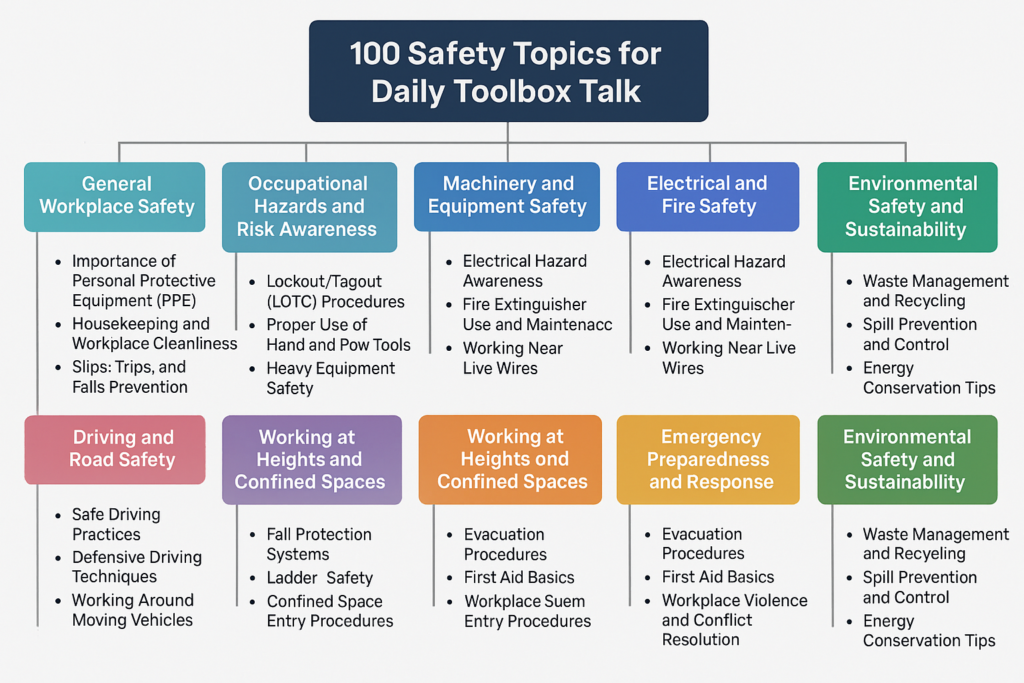
Top 10 High-Impact Toolbox Talk Topics
These topics are proven to reduce incidents across construction, manufacturing, utilities, and field services. Each can be tailored to your site and crew.
#### 1. Hazard Identification Before Task Start Teach crews to pause and scan for risks before picking up tools. Use the “What could go wrong?” model. Example: Excavation crew inspects for underground utilities, soil stability, and overhead lines before breaking ground. Engagement tip: Have each worker identify one hazard—they’re more likely to remember it.
#### 2. Proper Use of PPE (Beyond the Basics) Move past “wear your hard hat.” Focus on why and how—especially in extreme conditions. Example: In high-heat environments, discuss sweat-related slippage of safety glasses and glove grip loss. Pro tip: Bring in damaged PPE—show what UV exposure or chemical contact does to gear.
#### 3. Working Alone or in Isolated Areas Critical for utilities, maintenance, and field technicians. Cover: - Check-in protocols - Emergency signaling - Mental awareness of surroundings Real use case: A meter reader scheduled to visit remote locations reviews radio procedures and expected return time.
#### 4. Lifting and Manual Handling One of the most common causes of lost-time injuries. Go beyond “lift with your legs.” Discuss: - Team lifting coordination - Awkward loads (pipes, drywall) - Fatigue-related risk later in the shift Checklist inclusion: - Feet shoulder-width apart - Load close to body - No twisting - Clear path
#### 5. Slips, Trips, and Falls (Same-Level) Often overlooked compared to falls from height—but far more frequent. Focus areas: - Housekeeping responsibilities - Wet surfaces - Cord and hose management Engagement idea: Walk the area before the talk and point out trip hazards.
#### 6. Hot Work and Fire Prevention Welding, grinding, cutting—high-risk activities. Include: - Fire watch duties - Clearance of combustibles - Extinguisher placement and inspection Use case: Confirm fire watch is assigned and trained before issuing the permit.
#### 7. Equipment Inspection and Pre-Use Checks Prevent breakdowns and near-misses. Teach workers to spot: - Hydraulic leaks - Cracked hoses - Worn tires or tracks Pro move: Make pre-use checks a team habit—peer accountability works.
#### 8. Communication in High-Noise Areas Miscommunication causes accidents. Cover: - Hand signals vs. radios - Confirmation protocols (e.g., “repeat back”) - Visual indicators for shutdowns Scenario: Crane operator and rigger agree on signal clarity before lifting.
#### 9. Weather-Related Hazards Heat, cold, wind, rain—each demands a different response. Heat stress talk should include: - Early signs (headache, dizziness) - Hydration schedule - Cool-down zones Cold stress: Layering, wind chill, frostbite checks
#### 10. Stop Work Authority and Speaking Up One of the most important topics—and often the most neglected. Reinforce: - Any worker can stop unsafe work - No retaliation policy - How to escalate concerns Real example: A laborer noticed a frayed hoist cable and stopped work—preventing a 300-lb load drop.
How to Deliver a Toolbox Talk That Sticks
Content matters—but delivery determines impact.
1. Keep it short and focused Aim for 5–10 minutes. One topic. One clear message.
2. Make it interactive Ask questions. Use “raise your hand if…” or “tell me what you’d do if…” scenarios. Example: “If you saw a co-worker bypass a guard on a saw, what would you do?”
3. Use visuals when possible Photos of actual site conditions, damaged equipment, or PPE failures create stronger impressions than words alone.
4. Rotate facilitators Let experienced workers lead occasionally. Peer-led talks often have higher credibility.

5. Document and track Use a simple sign-in sheet with: - Topic - Date - Crew name - Attendees - Supervisor signature
This proves due diligence during audits and helps identify recurring issues.
Common Pitfalls (And How to Avoid Them)
Even experienced safety leads fall into traps.
Pitfall 1: One-size-fits-all talks Using the same topic for office staff and heavy equipment operators? Ineffective. Fix: Customize by role and task.
Pitfall 2: No follow-up Talk happens. No action. No reinforcement. Fix: Assign one safety action per talk—e.g., “Inspect all extension cords today” or “Report missing machine guards by end of shift.”
Pitfall 3: Ignoring worker feedback If crews suggest topics (e.g., “We keep tripping over hoses in Bay 3”), address them—fast. Result: Increased trust and participation.
Pitfall 4: Inconsistent scheduling Weekly one week, monthly the next. Fix: Set a fixed rhythm—e.g., every Monday at 6:45 AM before shift starts.
Integrating Toolbox Talks Into Daily Workflow
The best safety culture doesn’t pause for safety—it lives it.
Embed talks into natural routines: - Before starting a new task - After a near-miss - When a new crew member joins - When conditions change (weather, equipment, timeline)
Use digital tools wisely: Apps like iAuditor, SafetyCulture, or SiteDocs allow: - Mobile sign-ins - Photo documentation - Topic libraries
But don’t let tech replace human interaction. The talk should happen face-to-face—then documented after.
Link to broader safety systems: - Tie topics to JSA (Job Safety Analysis) updates - Feed concerns into corrective action logs - Review recurring themes in monthly safety meetings
Real-World Example: A Talk That Prevented Injury
On a commercial construction site, the crew was preparing to install HVAC units on a rooftop. The foreman held a toolbox talk on fall protection anchor points, prompted by a recent OSHA advisory.
He brought out the manufacturer’s specs, showed photos of incorrect vs. correct installations, and asked each worker to point to the anchor they’d use.
One worker flagged an anchor near a skylight—only 3 feet away. The team re-evaluated and moved the tie-off point 6 feet clear.
Later that week, a gust of wind caused a momentary loss of balance. The worker stayed upright—anchored safely.
The talk didn’t just check a box. It saved a life.
Closing: Make Every Minute Count
A toolbox talk isn’t about compliance. It’s about connection—between supervisor and worker, between hazard and prevention, between routine and responsibility.
Choose topics that matter today. Speak plainly. Listen more than you talk. And always, always follow up.
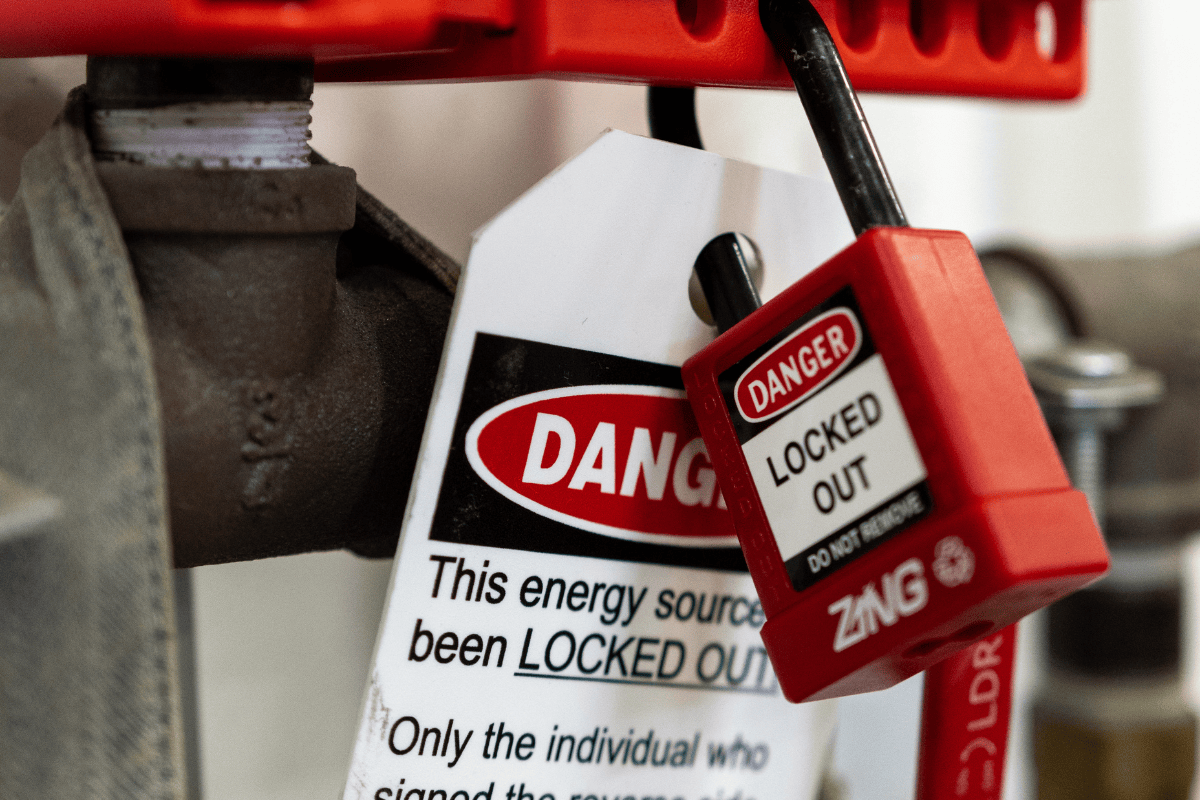
When workers walk away remembering one thing—“I won’t take shortcuts on lockout anymore” or “I’ll speak up next time”—you’ve done your job.
Run better talks. Build safer sites. Repeat daily.
Frequently Asked Questions
What is the best length for a toolbox talk? Aim for 5 to 10 minutes. Long enough to cover one focused topic, short enough to hold attention.
How often should toolbox talks be held? Weekly is standard for high-risk industries. Daily may be needed during critical phases or after incidents.
Who should lead a toolbox talk? Supervisors typically lead, but experienced workers can facilitate—especially on task-specific topics.
Do toolbox talks need to be documented? Yes. Documentation proves training occurred and supports OSHA compliance. Include topic, date, attendees, and signature.
Can toolbox talks be done remotely? For field or hybrid teams, virtual talks work—but lose some engagement. Use video, visuals, and interaction to compensate.
What if workers don’t participate? Make it relevant. Ask questions. Use real examples. If disengagement persists, review timing, topic choice, and delivery style.
Are there legal requirements for toolbox talks? OSHA doesn’t mandate “toolbox talks” by name, but requires hazard communication and site-specific training—which these fulfill.
FAQ
What should you look for in Safety Toolbox Talk Topics That Actually Engage Workers? Focus on relevance, practical value, and how well the solution matches real user intent.
Is Safety Toolbox Talk Topics That Actually Engage Workers suitable for beginners? That depends on the workflow, but a clear step-by-step approach usually makes it easier to start.
How do you compare options around Safety Toolbox Talk Topics That Actually Engage Workers? Compare features, trust signals, limitations, pricing, and ease of implementation.
What mistakes should you avoid? Avoid generic choices, weak validation, and decisions based only on marketing claims.
What is the next best step? Shortlist the most relevant options, validate them quickly, and refine from real-world results.