North Korea’s decision to open a museum commemorating troops killed while fighting for Russia is not just a tribute—it’s a calculated act of political theater. In a move that blurs the line between remembrance and regime reinforcement, Pyongyang is using death as a tool to solidify loyalty, justify foreign entanglement, and project strength amid growing international scrutiny.
This museum doesn’t merely memorialize fallen soldiers—it narrates a state-sanctioned version of events designed to reshape public perception both domestically and abroad.
A Memorial
With a Message
The museum, reportedly located near Pyongyang, features life-sized dioramas, personal effects of the deceased, and battlefield relics shipped back from the conflict zone. But its narrative is tightly curated. Displays emphasize “voluntary sacrifice,” “fraternal solidarity with Russia,” and “defending socialist brotherhood against Western imperialism.”
There is no mention of conscription, coercion, or the controversial nature of North Korean involvement in a distant war. Instead, the fallen are recast as modern-day martyrs—part of a lineage stretching back to the Korean War.
This isn’t mourning. It’s mythmaking.
The state media has already begun rolling out feature stories on select soldiers, painting them as ideal citizens: loyal, disciplined, and willing to die for a cause larger than themselves. Their families are shown receiving medals in solemn ceremonies, reinforcing the idea that national duty transcends individual life.
What sets this museum apart from typical war memorials is its immediacy. Most nations wait decades before erecting permanent monuments to foreign wars. North Korea is accelerating the process—likely to capitalize on the current geopolitical momentum and embed the narrative before questions arise.
Why Now? The Timing Behind the Tribute
Opening the museum now serves multiple strategic purposes.
First, it signals to Russia that North Korea is all in. By publicly honoring the dead, Pyongyang reduces the chance of backtracking. It turns military cooperation into a sunk cost—emotionally and politically. Retreat would now be seen not just as diplomatic failure, but as disrespect to the fallen.
Second, it strengthens internal cohesion. With food shortages and economic strain mounting, the regime needs unifying symbols. War dead provide that. They’re apolitical in death, immune to criticism, and perfect vessels for propaganda.
Third, it preempts potential backlash. As more details leak about North Korean casualties—many believed to be in the thousands—the museum frames the losses as noble, not futile. It answers uncomfortable questions before citizens can ask them.
Consider the alternative timeline: hundreds of young men sent abroad, dying in a conflict they barely understand, with no public acknowledgment. That breeds dissent. A museum transforms silence into spectacle.
The Soldiers’ Role in Russia’s War Effort

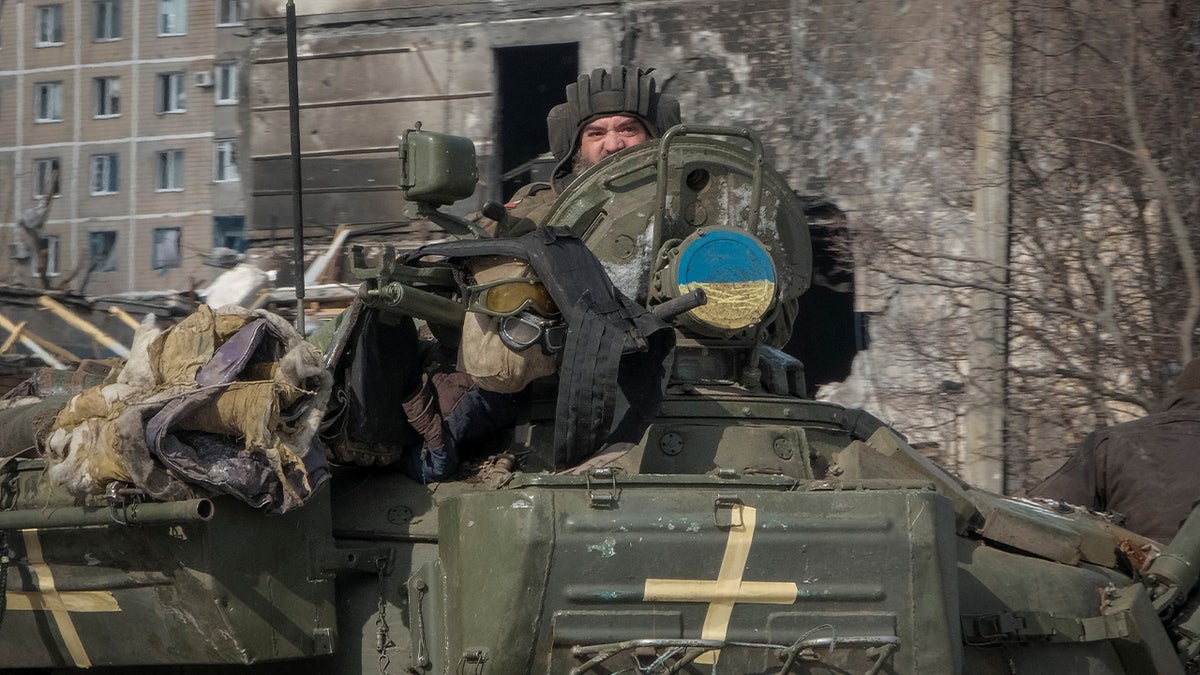
While North Korea has not officially acknowledged deploying combat troops, multiple intelligence reports confirm the presence of DPRK soldiers on the front lines in Ukraine. Estimates suggest between 10,000 and 12,000 personnel have been sent, primarily to support Russian operations in the Donbas region.
These troops are reportedly used in high-risk roles:
- Frontline assault units
- Artillery crews
- Drone warfare operators
- Tunnel and fortification engineers
Their integration into Russian forces appears to be growing. Satellite imagery shows North Korean symbols on equipment, and Ukrainian forces have recovered DPRK-made munitions alongside soldier remains.
Many of the deceased were young conscripts, drawn from lower-class backgrounds with little political influence. Their deployment underscores a grim reality: North Korea is monetizing its most disposable asset—its people.
The museum does not reflect this socioeconomic truth. Instead, it erases it, replacing class with heroism, exploitation with patriotism.
How the Museum Fits Into Broader Propaganda Strategy
North Korea’s propaganda machine runs on symbolism. Monuments, museums, and memorials are not passive structures—they’re active instruments of control.
This new museum joins a network of ideological sites, including:
- The Victorious Fatherland Liberation War Museum
- The International Friendship Exhibition
- The Kumsusan Palace of the Sun
Each reinforces a specific regime narrative. This one is different—it’s the first to glorify soldiers who died outside Korea, in a war not directly tied to national survival.
That shift is significant.
It suggests Pyongyang is redefining what it means to serve the state. Loyalty is no longer measured by defense of the homeland, but by willingness to fight abroad for strategic allies.
The museum’s design reinforces this. One exhibit reportedly shows a North Korean soldier and a Russian soldier clasping hands amid explosions, with the caption: “One blood, one struggle.” Another displays a map tracing troop movements from Pyongyang to Donetsk, framing the journey as a heroic odyssey.
School groups are already being bused in. Children are handed red booklets detailing the soldiers’ “final letters home.” Emotional manipulation is baked into the experience.
Geopolitical Implications of the Museum’s Opening
The museum is more than domestic theater—it’s a signal to the world.
To Russia, it says: We are committed. We are invested. We will not abandon you.
To China, it says: We have options. We are not solely dependent on you.
To the United States and NATO, it says: We are unafraid. We are capable. We will fight.
By memorializing the dead, North Korea is escalating its involvement without firing another shot. It’s crossing a psychological threshold—treating foreign combat as a permanent part of national identity.
This could pave the way for future deployments. If dying for Russia is honorable today, why not for other allies tomorrow?
It also complicates diplomatic efforts. Any future peace talks involving Ukraine will now have to reckon with North Korea’s role—not just as a weapons supplier, but as a belligerent with blood on the ground.

Sanctions may intensify, but Pyongyang appears willing to bear the cost. For the regime, legitimacy matters more than aid.
What the Museum Leaves Out For all its grandeur, the museum omits critical truths.
There is no discussion of why these soldiers were sent. No debate over whether the war aligns with North Korea’s interests. No mention of the risks of biological or chemical exposure—given Ukraine’s use of banned weapons allegations. No space for grief that isn’t state-approved.
Families of the deceased report being warned not to speak publicly. Some say they were denied full remains, receiving only ashes in unmarked boxes. Others claim their sons were promised training rotations, not frontline duty.
The museum sanitizes these contradictions. It turns exploitation into honor, absence into legacy.
One defecting officer, now in South Korea, described the deployment as “a death lottery.” He claimed soldiers were selected based on political reliability and physical fitness—but also on whether they had surviving family members who could be easily controlled.
In that light, the museum becomes even more disturbing. It’s not just hiding the truth—it’s weaponizing memory.
The Future of North Korea’s War Memorials
This museum may be the first of many.
If North Korea continues sending troops abroad, we could see satellite sites, regional memorials, or even annual “Martyrs of the Russo-Korean Front” holidays.
There’s also the possibility of digital expansion. Given North Korea’s growing use of controlled internet platforms, a virtual museum experience could be rolled out for elite citizens and foreign diplomats.
But the real test will be longevity. Can the regime sustain the narrative over time? Will younger generations accept this version of events? Or will underground accounts—smuggled videos, whispered testimonies—eventually erode the official story?
History suggests that states often overestimate the power of monuments. The Soviet Union built countless war memorials, yet still collapsed under the weight of hidden truths.
North Korea is betting it can do what others couldn’t: control not just the present, but the past.
A Monument to What, Exactly?
The museum honoring North Korean troops killed in Russia is not really about the dead. It’s about the living—and the messages the regime wants them to believe.
It’s about justifying foreign war. It’s about silencing doubt. It’s about binding national identity to a conflict that offers no tangible benefit to most citizens.
For the families who lost sons, brothers, and fathers, the museum may bring a hollow sense of closure. For the state, it brings something far more valuable: legitimacy.
As long as the lights stay on in that museum, the story will keep running. And as long as the story runs, the regime survives.
But stories can unravel. Especially when they’re built on silence.
Visit with skepticism. Remember the omissions. And recognize this museum for what it is—a monument not to sacrifice, but to survival—of a regime that will use anything, even death, to stay in power.
FAQ
What should you look for in North Korea Opens Museum for Troops Killed in Russia? Focus on relevance, practical value, and how well the solution matches real user intent.
Is North Korea Opens Museum for Troops Killed in Russia suitable for beginners? That depends on the workflow, but a clear step-by-step approach usually makes it easier to start.
How do you compare options around North Korea Opens Museum for Troops Killed in Russia? Compare features, trust signals, limitations, pricing, and ease of implementation.
What mistakes should you avoid? Avoid generic choices, weak validation, and decisions based only on marketing claims.
What is the next best step? Shortlist the most relevant options, validate them quickly, and refine from real-world results.