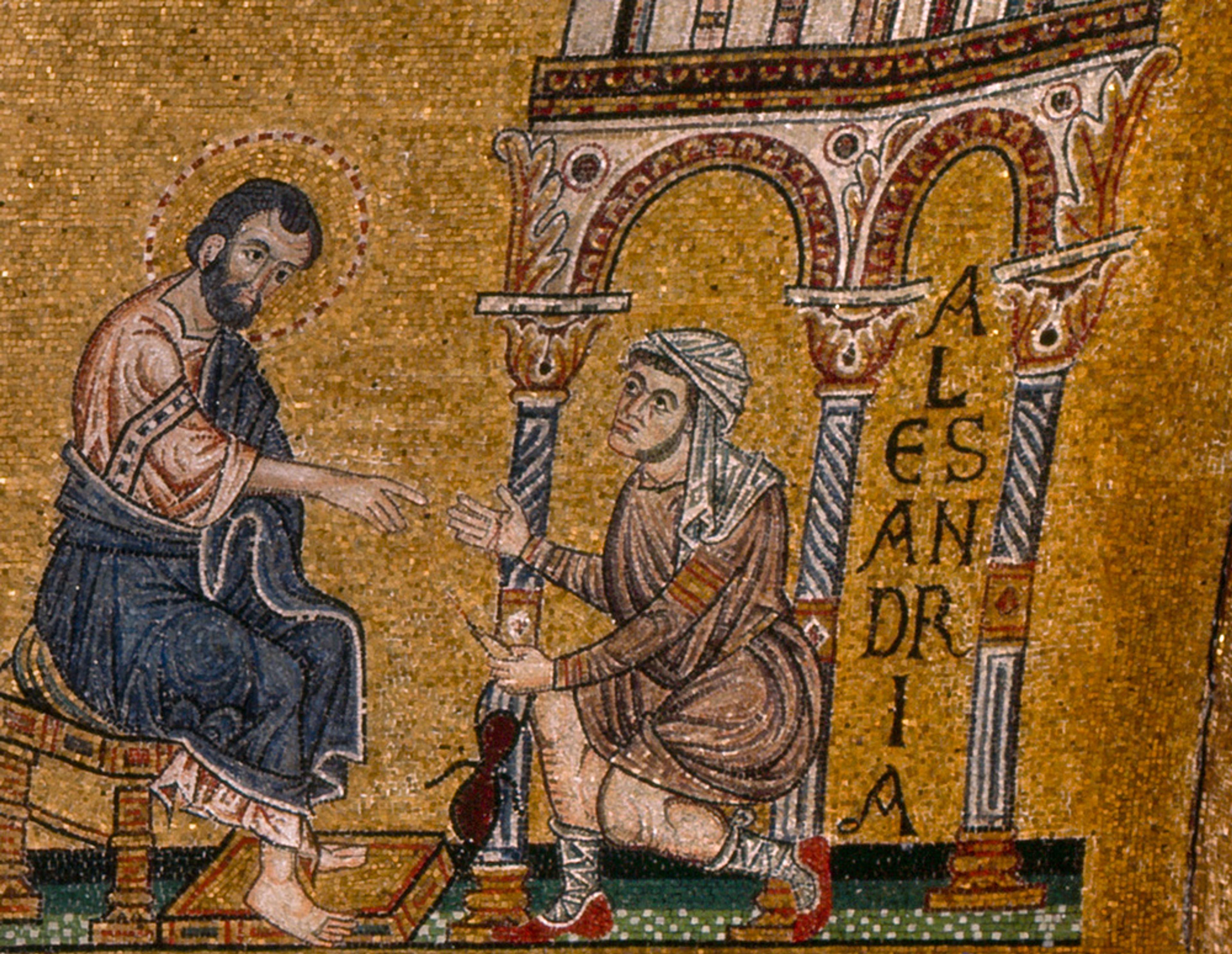
Medieval art didn’t just show people—it weaponized their bodies. From elongated saints in Byzantine mosaics to emaciated Christs on Romanesque crucifixes, the human form was never neutral. It was theology carved in stone, politics painted in gold leaf. The body became a site where divine authority was asserted, royal legitimacy performed, and salvation visualized. To look at a medieval image is to witness a body under ideological siege—sacred, disciplined, and often suffering, yet always meaning more than flesh.
This wasn’t art for art’s sake. Every gesture, wound, posture, and proportion carried weight. Kings were shown larger than attendants. Saints bore wounds that mirrored Christ’s. Naked figures in Last Judgment scenes twisted in shame or rose in glory—each body a moral verdict. In an era of low literacy, the body in art was the primary language of power and piety.
The fusion of theology and politics in the medieval period meant that control over the body—both real and represented—was control over belief itself. And art was the delivery system.
The Divine Body: Christ’s Flesh as Doctrine
At the center of medieval theology stood the Incarnation—the belief that God became flesh. This wasn’t abstract. It was visceral. The body of Christ became the ultimate theological statement, and art was its megaphone.
Early medieval depictions of Christ evolved dramatically. In sixth-century mosaics like those at San Vitale in Ravenna, Christ appears as a youthful, imperial figure—beardless, serene, robed in purple. He holds a scroll, not a cross. This is Christ the Pantocrator, the ruler of all, blending divine authority with Roman imperial iconography. His body isn’t suffering; it’s commanding.
But by the 11th and 12th centuries, the emphasis shifted. The crucified Christ became dominant. Now, his body was emaciated, head slumped, eyes closed. The Imagines Christi tradition emphasized wounds, blood, and agony. This wasn’t just devotional—it was political.
Pain became pedagogy. The suffering body of Christ was used to teach obedience, penitence, and the cost of sin. But crucially, it also elevated the Church’s role as mediator. Only through the Church, the logic went, could one access the grace won by Christ’s bodily sacrifice.
Consider the Gero Crucifix (c. 970, Cologne Cathedral). One of the earliest life-sized depictions of a dead Christ, it shows a sagging body, swollen torso, and visible ribs. This wasn’t comforting. It was confrontational. The viewer wasn’t invited to admire—it was meant to tremble, repent, and reaffirm loyalty to the institution that controlled access to salvation.
Royal Bodies: Power Made Visible
If Christ’s body was theology, the king’s body was politics. In medieval Europe, rulers weren’t just leaders—they were sacred. Through coronation rituals, anointed with holy oil, kings took on a quasi-sacramental status. Their bodies, too, became sites of divine sanction.

Art reinforced this. In the Coronation of the Virgin frescoes, earthly kings mirrored heavenly hierarchy, often depicted smaller than saints or Christ, yet larger than commoners. Scale wasn’t realism—it was ideology.
Look at the Bamberg Rider (early 13th century), a stone equestrian statue in Bamberg Cathedral. The figure is anonymous, possibly a king or emperor, seated upright, eyes forward, holding orb and sword. He’s not in battle. He’s in judgment. His body is rigid, idealized, timeless—less a man than a state.
This fusion of sacred and political reached its peak in images of Emperor Justinian in the San Vitale mosaics. Flanked by bishops and soldiers, he offers a golden paten to Christ. The composition places him directly beneath a haloed cross. He’s not equal to divinity, but he’s its earthly executor. His body, dressed in imperial purple and gold, becomes a vessel of divine order.
Even in death, royal bodies were politicized. Effigies on tombs showed kings in robes of office, eyes open, holding scepters—denying decay, asserting eternal authority. The body must not rot; it must rule forever in image.
The Female Body: Sanctity and Subjugation For women, the medieval body in art was a paradox. It could be exalted—or erased. Virginity was divine; sexuality was dangerous. The female body became a battleground between sanctity and sin.
Mary, the Virgin Mother, was the ideal. In countless icons and altarpieces, she’s depicted with a serene face, hands clasped, eyes downcast. Her body is covered, gesturing humility. Yet she holds divine power—the Theotokos, God-bearer. In the Throne of Wisdom (Sedes Sapientiae) images, she sits like a throne, with Christ on her lap. Her body becomes architecture for divinity.
But other women weren’t so lucky. Eve, often shown in cathedral tympana, is naked, crouched, covering herself in shame. Her body is the origin of sin. Compare her to Mary: one curves in guilt, the other sits in grace. The contrast is deliberate—female bodies defined by moral polarity.
Then there’s the mystic saints—Catherine, Agnes, Agatha—whose bodies were tortured for faith. Their art often focuses on their wounds: Catherine with her broken wheel, Agatha with severed breasts. Their pain wasn’t just martyrdom—it was proof of purity. The more their bodies suffered, the more they transcended gendered weakness.
Yet even here, control persisted. The Church curated which female bodies were venerated. Women like Hildegard of Bingen gained authority through visions, but only because male clerics validated them. Art of female saints rarely showed agency—only endurance.
Monastic Bodies: Discipline as Devotion
Beyond royalty and sainthood, the monastic body was one of the most rigorously controlled in medieval society. In art, monks and nuns were shown in uniform robes, tonsured, often kneeling. Their bodies weren’t individual—they were instruments of order.
Illuminated manuscripts frequently depict monks in scriptoria, hunched over desks, copying sacred texts. Their posture isn’t comfortable—it’s penitential. The back bent, hands working in silence: this was spiritual labor. The body disciplined so the soul could ascend.
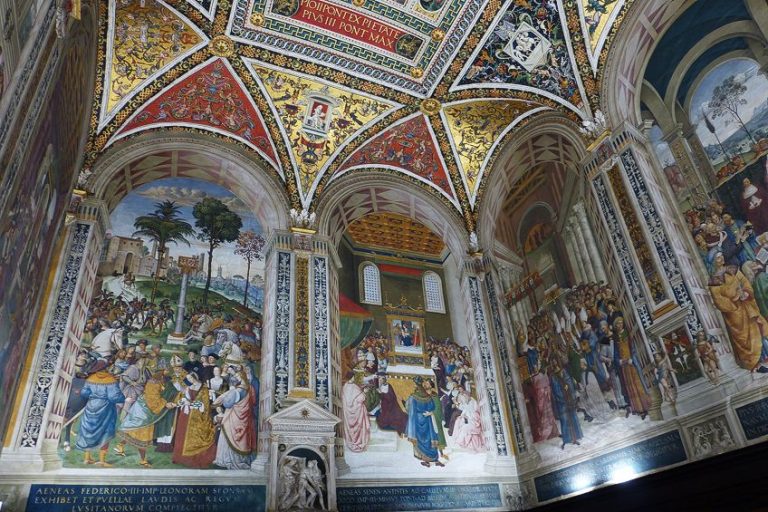
In depictions of St. Benedict or St. Francis, physical deprivation is highlighted. Francis is barefoot, in a coarse robe, receiving stigmata. His body bears the marks of Christ—not through violence, but through ecstatic submission. His art isn’t about power. It’s about surrender.
But even surrender had politics. Monasteries owned land, influenced kings, and shaped doctrine. The humble monk in art was also an agent of institutional authority. The disciplined body masked a network of real-world power.
Nakedness and Judgment: The Body at the End of Time
Nowhere was the body more politicized and theologized than in images of the Last Judgment. Typically placed on church west walls or above doorways, these massive frescoes greeted worshippers as they entered or left.
The body here is exposed—naked, vulnerable, judged. Souls rise from tombs, pulled upward by angels or dragged down by demons. The saved cover themselves modestly; the damned writhe in shame or agony.
In the Last Judgment tympanum at Autun Cathedral (c. 1130), a gaunt Christ presides. Below, bodies strain toward salvation or hell. One figure, often interpreted as a corrupt cleric, is dragged by demons while still wearing his robes. His body is damned despite his office—a warning that even sacred status won’t save a corrupt soul.
These images weren’t just about the afterlife. They reinforced social order. The body’s fate depended on obedience—to Church, to king, to moral law. Art made the stakes visible: your body, in this life and the next, was never your own.
Art as Ideological Architecture
Medieval art didn’t reflect society—it shaped it. By turning the body into a site of theology and politics, it created a visual regime where belief and power were inseparable.
Every choice mattered: - A king’s crown placed at eye level with Christ’s halo? Divine right. - A saint’s wound mirroring the crucifixion? Spiritual legitimacy. - A naked soul cowering in hell? Social control.
The Church and state didn’t just use art. They depended on it. In a world where most couldn’t read scripture, the body in stained glass, stone, and paint was the sermon.
Even today, the legacy persists. Political leaders use staged images to project strength. Religious figures employ symbolic dress and gesture. The body still speaks louder than words—just as it did in the medieval imagination.
Conclusion: The Body Was Never Just a Body
To see medieval art as quaint or primitive misses the point. These images were strategic, sophisticated, and deeply effective. The body was the canvas, but the message was power—divine, political, eternal.
Next time you see a Gothic crucifix or a Byzantine icon, don’t just admire the craft. Ask: Whose body is this? Who benefits from how it’s shown? The answers reveal more than style. They reveal the machinery of belief.
Study these images not as relics, but as weapons. For in the Middle Ages, every limb, every wound, every gesture was a declaration: the body is where heaven and earth collide—and who controls the image controls the soul.
FAQ
What should you look for in How Medieval Art Turned the Body Into Sacred Power? Focus on relevance, practical value, and how well the solution matches real user intent.
Is How Medieval Art Turned the Body Into Sacred Power suitable for beginners? That depends on the workflow, but a clear step-by-step approach usually makes it easier to start.
How do you compare options around How Medieval Art Turned the Body Into Sacred Power? Compare features, trust signals, limitations, pricing, and ease of implementation.
What mistakes should you avoid? Avoid generic choices, weak validation, and decisions based only on marketing claims.
What is the next best step? Shortlist the most relevant options, validate them quickly, and refine from real-world results.